How To Buy A Durable Charger That Actually Lasts
2025-12-16 14:45:52
Replacing chargers every year is frustrating, time-consuming, and often unnecessary. Many of us underestimate how daily habits and the quality of the charger itself affect its lifespan. Choosing a durable charger and handling it properly can prevent frequent failures and save money in the long run. By understanding what makes a charger robust and reliable, you can make informed decisions that protect your devices. In this article, we will guide you through practical tips to select and maintain a charger that truly lasts.
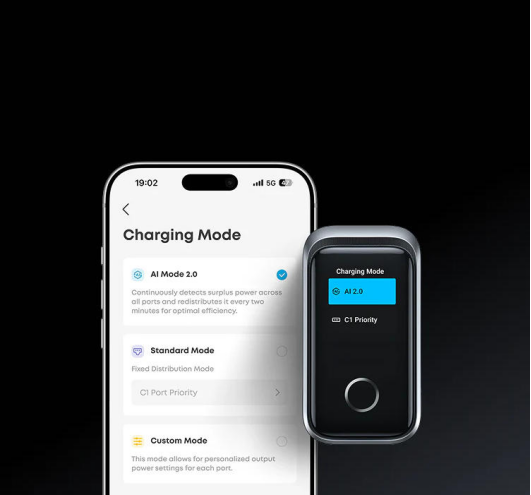
Look for Robust Physical Construction
Reinforced Cable Stress Points and Strain Relief
Cables are the most vulnerable part of any charger, often failing first due to constant bending and pulling. Look for chargers that have reinforced stress points near the connector ends to reduce strain on internal wires. Strain relief features, like flexible silicone sleeves, help absorb tension when the cable is bent or tugged. Reinforced cables are less likely to fray or break, even with daily use. Prioritizing these construction details ensures a longer-lasting connection and avoids the frustration of intermittent charging.
Solid Connector Housing and Foldable Plug Design
The housing around the connector is just as important as the cable itself. Solid, well-built connector shells prevent cracking and bending, which can damage the cable or port over time. Some chargers also include foldable plug designs, making them more compact and protecting the plug from physical stress. Foldable plugs are especially useful for travel, reducing the chance of bending or snapping. Investing in a charger with these features improves durability while keeping it convenient to carry.
Check for High-Quality Materials and Components
Importance of Thick, Tangle-Resistant Cable Jackets
High-quality cable jackets protect the internal wires from abrasion, heat, and twisting. Thicker, tangle-resistant materials reduce the risk of damage from knots or repeated coiling. Such cables maintain flexibility without compromising strength, making them ideal for daily use and travel. Durable jackets also help prevent fraying at the ends, which is one of the most common points of failure. Choosing cables with these materials ensures consistent performance over time.
Internal Component Quality and Heat Management
A charger’s internal components affect both efficiency and longevity. Poor-quality circuits may overheat, degrade faster, or fail under high loads. Look for chargers designed with proper heat management, such as GaN technology or built-in thermal protection. Heat-resistant components maintain stable performance even during extended charging sessions. By prioritizing internal quality, you minimize risks and extend the overall lifespan of the charger.
Verify Safety Certifications and Brand Reputation
Essential Certifications: UL, CE, and MFI
Safety certifications provide assurance that the charger meets recognized standards for electrical safety and device protection. Certifications such as UL, CE, and Apple’s MFI indicate that the charger has been tested for consistent performance. Certified chargers reduce the risk of overheating, short circuits, or damage to connected devices. They also give peace of mind when using the charger in various environments. Checking for these marks is a simple step that ensures both safety and durability.
Why Established Brands Often Offer Better Durability
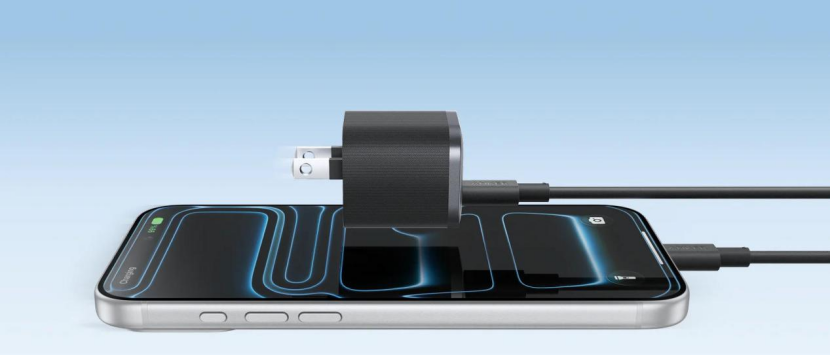
Trusted brands invest in rigorous quality control and robust materials, which often results in longer-lasting chargers. They back their products with warranties and reliable customer support, demonstrating confidence in their durability. When considering a purchase—for instance, if you're wondering, "what chargers do iphone 17 use?"—the Anker official website clearly specifies the compatible products. And choosing a reliable brand like Anker ensures not only perfect compatibility but also enhanced durability and built-in safety features. This reduces the risk of unexpected failures, offers better long-term value, and makes them a significantly safer choice compared to undocumented or generic chargers.
Understand the Warranty and Long-Term Support
A good warranty reflects the manufacturer’s confidence in their product. Chargers with long-term warranties allow you to replace or repair faulty units without additional cost. Support services also make troubleshooting easier if you encounter issues. Investing in a charger backed by solid support ensures you are protected against early failures. Evaluating warranty terms is a practical way to guarantee that your purchase is a lasting one.
Avoid Common Habits That Break Any Charger
Proper Handling: Pull from the Plug, Not the Cable
One of the most damaging habits is yanking on the cable rather than the plug. Pulling from the cable stresses internal wires and can create invisible breaks. Always grip the connector and gently remove it from the device. Consistent practice of this simple habit preserves cable integrity over time. This small adjustment prevents many of the common failures that shorten a charger’s lifespan.
Safe Storage and Transport to Prevent Damage
Cables and chargers are often damaged during storage or transit. Avoid stuffing them into drawers or bags where they can tangle, bend sharply, or get crushed. Coiling cables loosely and using a protective pouch can prevent kinks and physical stress. Keep chargers away from liquids and extreme temperatures to avoid material degradation. Thoughtful storage habits maintain both performance and safety, ensuring the charger lasts as long as possible.
Conclusion
Buying a durable charger is an investment in convenience, safety, and long-term reliability. Paying attention to construction quality, materials, safety certifications, and brand reputation helps you avoid frequent replacements. Simple habits, such as pulling from the plug and storing cables carefully, further extend lifespan. Choosing a trusted brand like Anker ensures you get a product built to endure daily use and travel demands. With these considerations, you can invest once and enjoy a reliable charging experience for years, reducing frustration and saving money.