Top Features to Look for in a Portable Power Bank
2025-12-16 14:47:51
Choosing the right portable power bank guarantees that your devices remain charged wherever you go. Capacity alone is insufficient; speed, safety, and convenience are just as important. A high-quality power bank should allow fast charging, have numerous connector types, and recharge quickly on its own. Design also matters – a tiny, lightweight gadget is simpler to transport on a regular basis. Durability elements like protective housing and temperature control improve dependability. Knowing which features to emphasize allows you to select a power bank that suits your needs. Understanding technology, design, and safety features ensures that you make a wise investment without sacrificing performance.

What Charging Technologies Should You Look For?
Fast Charging Standards: PD, QC, and More
When time is of the essence, fast charging ensures that your gadgets are ready. Power Delivery (PD) is available for all USB-C devices, including laptops, phones, and tablets. Qualcomm Quick Charge (QC) speeds charging on various Android smartphones. Proprietary solutions, such as SuperCharge or TurboCharge, can increase speed even further, although they frequently require appropriate connectors. Choosing a power bank that meets these requirements lowers wait time and guarantees that gadgets are charged effectively. For tourists or busy users, this might be critical. Prioritize banks that strike a balance between speed and device compatibility, letting various devices charge rapidly and safely without overcharging the battery or generating excessive heat while in use.
Output Ports: USB‑A vs USB‑C vs Wireless
A flexible power bank provides several output possibilities. USB-A ports are widespread and compatible with older phones and devices. USB-C connectors charge modern devices quickly and frequently enable two-way charging. Many power banks now offer wireless charging (Qi standard), which allows you to charge your gadgets without using cords. Choosing a bank with all three choices guarantees compatibility with cellphones, earphones, laptops, and other electronic devices. Multiple outlets provide simultaneous charging, making it perfect for travel or group use. Consider your devices' demands and choose a power bank that supports them all, so you don't have to deal with missing cords or unsuitable connections.
Input Speed: How Fast Can It Recharge?
Input speed impacts how quickly a power bank recharges. A high-capacity battery that requires hours to recharge might be inconvenient. Many current banks employ USB-C PD or Quick Charge connections, which drastically shorten recharging time. For greater capacity, look for inputs of 30W or above to guarantee the bank charges rapidly and is ready for your next expedition. Balancing input and output speeds ensures that your devices work smoothly and without significant downtime. Fast input guarantees that the bank is open when you need it most. Choosing a model with a high input power makes a portable charger more useful and dependable for everyday usage or vacation.
What Design and Portability Features Matter Most?
Size, Weight, and Pocket-Friendliness
For everyday use, portability is crucial. 5,000–10,000 mAh small power banks are lightweight and convenient to carry in pockets or backpacks. Although larger versions weigh a lot more, they can have a capacity of up to 20,000 mAh. Whether you require numerous charges or travel frequently will determine the optimal size. Models that are small and light are ideal for casual use, short journeys, and commuting. Longer travels or extensive gadget use are better suited for heavier banks. Convenience is ensured by striking a balance between battery capacity and portability. Choose a power bank that offers sufficient capacity without adding needless bulk or sacrificing comfort, keeping in mind how you carry it about every day.
Build Materials and Grip Texture
Durable materials keep your power bank safe from harm. Hard plastic and metal cases are prevalent, and they protect the internal battery from physical damage. Rubberized or textured surfaces provide better grip and decrease slips. Build quality affects durability by making your gadget more resistant to scratches, drops, and regular wear. A robust structure also provides a premium feel, guaranteeing that the bank can withstand regular use securely. Materials also impact heat dissipation, which helps to minimize overheating during fast charging. Choosing a well-designed exterior with dependable materials improves safety and longevity while keeping the bank easy to grip and transport.
Display Indicators and LED Lights
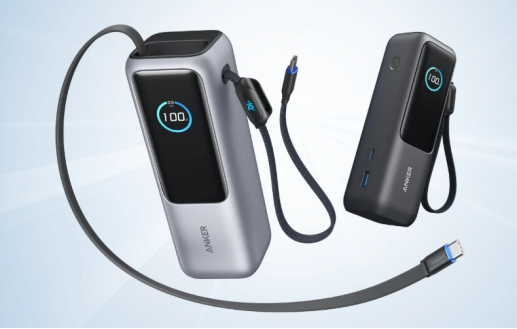
Battery indicators and LED lights make monitoring simpler. Simple LEDs indicate approximate charge levels, but digital displays give accurate percentages. Indicators prevent usage by alerting you when to reload the bank. Some versions additionally have LED lights for nighttime or low-light use, which can be used as a flashlight in an emergency. Display clarity is especially helpful when managing multiple devices simultaneously, including portable chargers for iphone 17. Clear, visible indicators reduce guesswork and improve overall usability. Knowing the bank's charge status helps avoid surprises, ensures continuous device operation, and simplifies power management during travel or daily activities. Reliable displays enhance convenience and user confidence.
What Safety and Durability Features Should You Prioritize?
Overcharge and Short-Circuit Protection
Portable power banks should be safe. To avoid battery damage, overcharge avoidance prevents devices from receiving more current after charging. When a fault occurs, short-circuit protection turns off power, preventing sparks, overheating, and device damage. Reliable banks protect charges and gadgets that exhibit these features. Some versions provide surge protection against power surges. Putting these safety mechanisms first ensures worry-free living, work, and travel. A bank without safeguards may harm expensive equipment or the battery. Certified models that include many protections are critical for long-term reliability.
Certified Lithium Battery Quality
Quality batteries provide both performance and safety. Look for UL, CE, or FCC-approved lithium-ion or lithium-polymer batteries. Certified banks meet industry durability, charging cycle, and swelling/fire resistance standards. Reliable batteries reduce the danger of failure while increasing reliability. Certified batteries allow devices to fully charge without overheating or depleting the battery. Unknown brands and untested batteries may be hazardous. Purchasing a power bank with certified, high-quality batteries ensures consistent performance and protects your devices and safety during extended use.
Temperature and Surge Regulation
A temperature control prevents overheating during rapid charging or prolonged usage. Internal circuits monitor temperature and regulate output to protect the devices and the bank. Surge protection keeps power spikes from harming electronics. These characteristics are critical for travel and difficult settings where environmental factors may influence performance. Quality banks maintain consistent output despite shifting temperatures. The regulation of heat and power surges improves gadget life and safety. Choose a model with temperature and surge protection to decrease risk, boost longevity, and keep your devices safe when charging.
Conclusion
A dependable portable power bank is secure, efficient, and portable. Fast USB-C and wireless charging, balanced input and output rates, and various ports for device compatibility are important. Make it small, robust, with clear indications and a pleasant grip. Overcharge protection, approved batteries, temperature management, and surge protection make usage safe. Matching bank capacity to everyday demands makes devices ready anytime, anyplace. Consider these basic qualities for a flexible, reliable power bank for travel, business, and life. Smart choices keep gadgets charged securely, effectively, and reliably.